
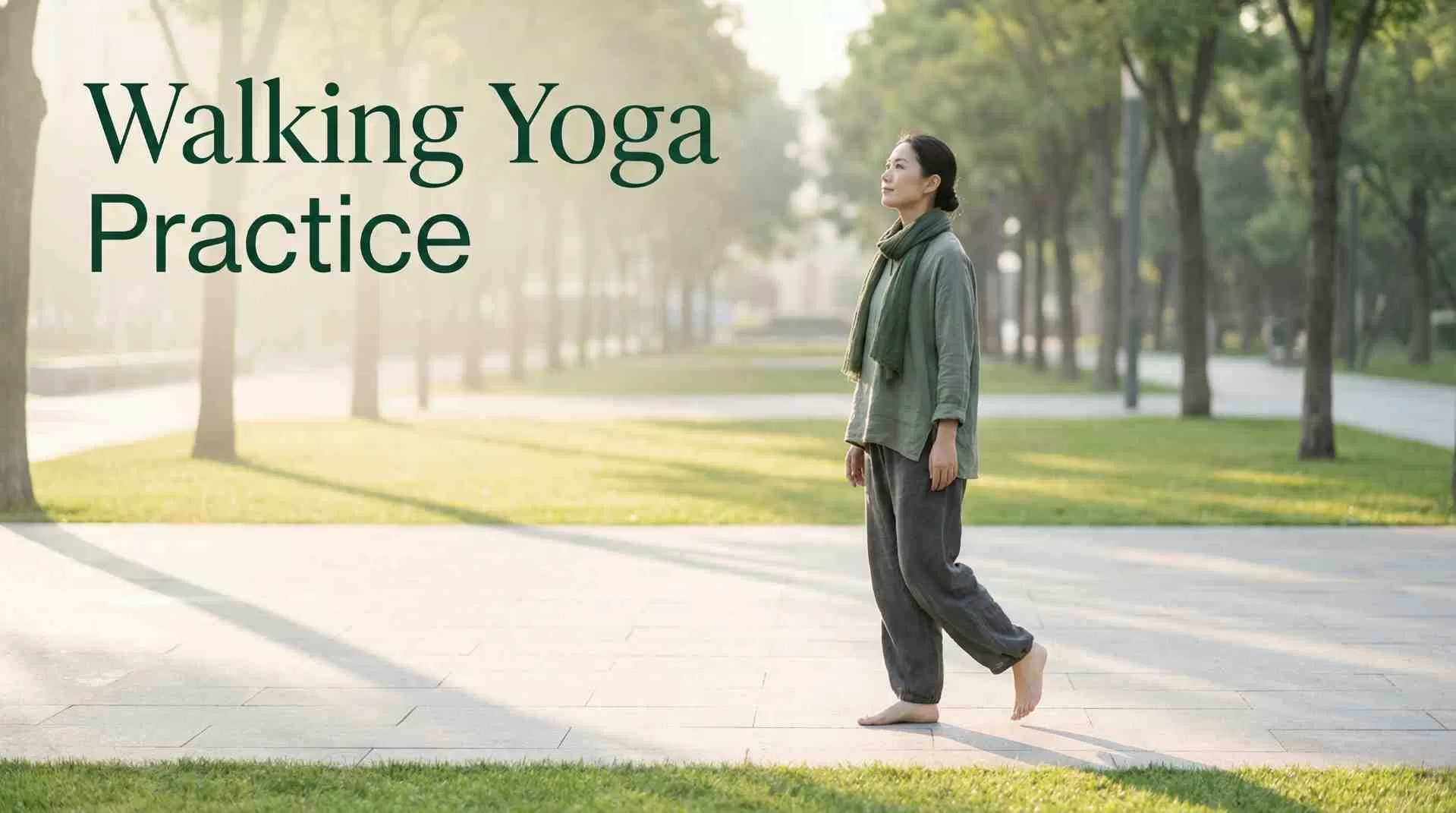
Ever felt like life is moving too fast and you need a moment to slow down? That's where walking yoga for the mind and body wellness comes in. It's not about. Twisting into complicated poses or pushing yourself too hard on your body and mind. And it's about taking a simple step, breathing deeply, and feeling present in every moment. Walking yoga is becoming a favourite among people all over the world because it’s simple, calming, and beneficial for both your body and mind.
You don’t need a mat, a studio, or even special clothes- just a comfortable pair of shoes and a quiet path. With every step and every breath, you feel your stress melt away, your thoughts slow down, and a sense of peace takes over.
What is Walking Yoga? A Blend of Mindfulness, Movement, and Breath
You may be curious about what walking yoga is and how to practice it, as it combines the calm focus of yoga with the gentle movements of walking and the deep awareness of mindful breathing into one seamless experience. That's yoga while walking.
It combines traditional health practices with a modern twist. When you practice standard yoga, you remain on a mat and move through various poses. With walking yoga, you move around. Being aware is the main goal of mindful walking. Walking yoga, on the other hand, combines the practice of awareness with light yoga poses, breathing exercises, and sometimes even short meditations.
Walking has been seen as a way to heal and find peace in many cultures, from India's yoga ashrams to Japan's forest bathing practices. These things are all brought together in walking yoga in a way that works for our busy modern lives.
With every step, you're not just moving your body- you're also calming your mind, reconnecting with yourself, and adapting into the world around you.
Key Benefits of Walking Yoga for Physical and Mental Health
Walking yoga can help you deal with stress and get in shape in many ways. Here are some of those ways:
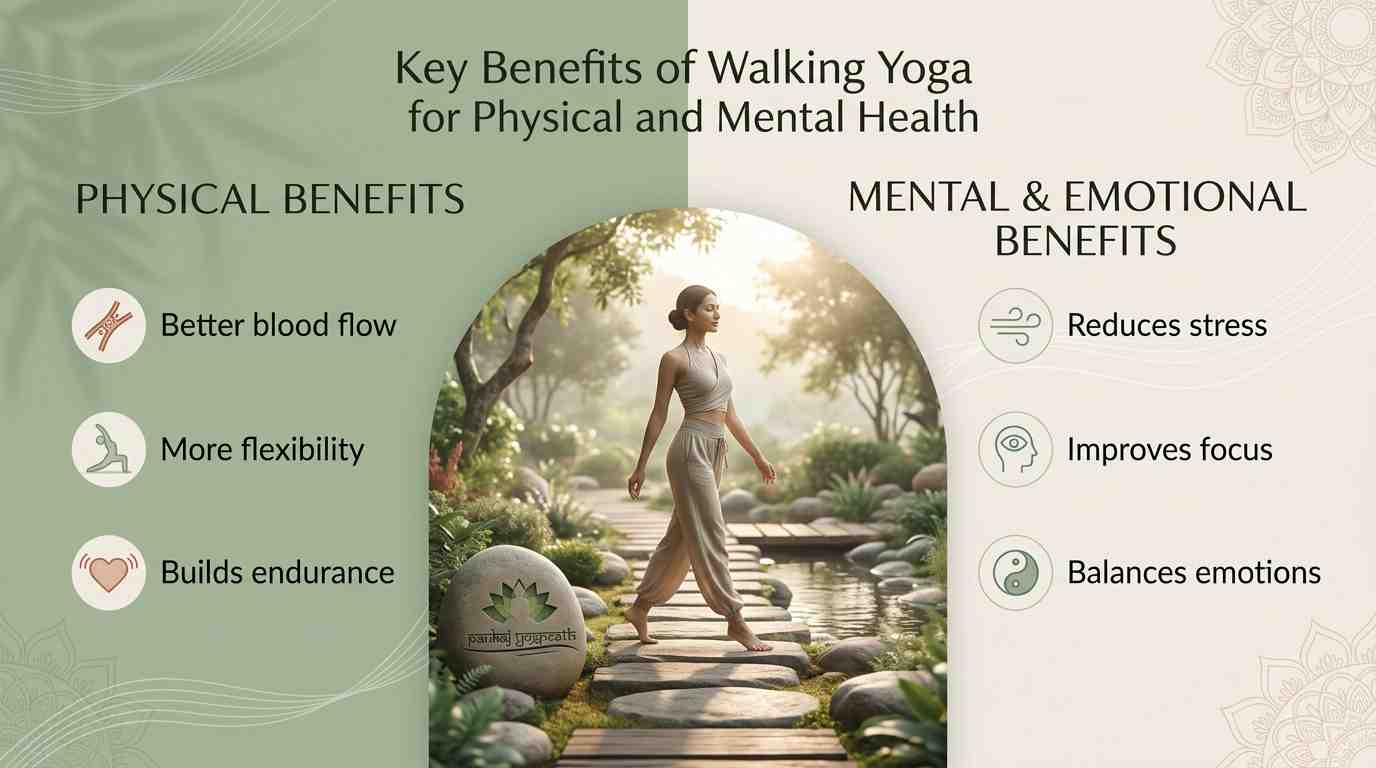
Physical Benefits
- Help blood flow - Light exercise keeps your heart healthy and your blood moving.
- Makes you more flexible - Doing simple yoga poses while walking keeps your muscles and joints flexible.
- Builds endurance -Improves endurance without putting in a lot of work or stress.
Mental & Emotional Benefits
- Helps with stress - mindful, deep breathing calms the nervous system.
- Focus - Walking with awareness clears your mind of unnecessary things.
- Balances emotions -Gives you peace, patience, and a sense of being stable inside.
Wellness practitioners often describe walking yoga as “a moving meditation that heals you from the inside out.
How to Practice Walking Yoga - Step-by-Step Guide for Beginners
If you have never done walking yoga before, this step-by-step guide will help you feel comfortable as you begin. You only need a comfortable outfit, good shoes (or bare feet if you're in nature), and an open mind.
Choosing the Right Location for Walking Yoga
If you do walking yoga in the right place, it can be truly magical. Here are some of the best places outside to do walking yoga:
- Trees cast shade over quiet park paths
- Sandy beaches with the sound of waves in the background Mountain trails or hill roads that let you breathe in fresh air
- For a calm, cool vibe, go to the shores of lakes or rivers.
- At sunrise, your yard or a quiet residential street
The key is to choose a spot where you can move without distractions, noise, or crowds
Combining Breathwork with Your Steps
Breathing is the heart of walking yoga. Try this walking yoga breathing technique:
| Step |
Action |
Focus |
| 1 |
Take four steps while inhaling slowly and deeply through your nose |
Fill your lungs with fresh air, feel your chest and belly expand |
| 2 |
Take four steps while exhaling gently through your mouth |
Release all tension and let your body relax |
| 3 |
Continue this rhythm |
Let your breath guide your walking pace naturally |
| 4 |
As you walk, visualize |
Imagine breathing in calmness and breathing out stress or negativity |
Over time , you can breath and steps naturally and creating a moving meditation.
Simple Walking Yoga Sequence You Can Try Today
| Step |
Action |
Purpose |
| 1 |
Start with 1–2 minutes of mindful walking to settle into a comfortable pace |
Helps you become aware of your body and surroundings |
| 2 |
Add gentle neck rolls and shoulder shrugs as you walk to release tension |
Loosens tight muscles and improves mobility |
| 3 |
Pause every 10–15 steps to stretch your arms overhead and open your chest |
Improves posture and boosts energy flow |
| 4 |
Take deep breaths with each step, feeling your body move in harmony |
Encourages relaxation and mind-body connection |
| 5 |
End with a standing forward bend or mountain pose for grounding before you finish |
Brings calmness and stability to end the practice |
This simple steps will leave you feeling calm and deeply connected to yourself and boost your energy.
Walking Yoga vs. Traditional Yoga - Which One is Right for You?
| Feature |
Walking Yoga |
Traditional Yoga |
| Main Focus |
Gentle movement with mindful breathing |
Static and dynamic poses on a mat |
| Best For |
Stress relief, light exercise, outdoor practice |
Strength, flexibility, deep stretching |
| Equipment Needed |
Comfortable shoes or bare feet |
Yoga mat, sometimes props |
| Environment |
Parks, beaches, nature trails, open spaces |
Indoor studios, home practice space |
| Time Flexibility |
Can be done anytime during the day |
Can be done anytime during the day |
| Accessibility |
Suitable for all ages and fitness levels |
May require modifications for beginners or seniors |
Which Lifestyle Each Suits Best
- Walking Yoga: Great if you like being outside, are busy, or want a gentle, low-impact exercise that you can do every day.
- Traditional Yoga: Very good if you like set schedules, want to get stronger and more flexible, and like to practice inside or in a class.
Why Both Can Complement Each Other
You can get the best of both worlds by doing both. Walking yoga gives you fresh air, movement, and a link with nature, while traditional yoga gives you balance, stillness, and deep stretching. Together, they can help you make a habit that is good for your mind and body.
Who Can Do Walking Yoga? Accessibility for All Ages and Fitness Levels
The beauty of walking yoga for seniors and beginners is that is truly is for everyone. No matter if your age, fitness level, or lifestyle, you can adapt this practice to you needs.
- If you're a busy professional, you can fit walking yoga into your lunch break or on your way to work. You can clear your mind and body in just 10–15 minutes.
- For seniors or people who have trouble moving around, taking small steps and doing light stretches makes it safe and easy to do. They also help with balance, circulation, and faith in their ability to move.
- People who are into fitness and want a lighter option: Walking yoga keeps you moving without overdoing it on days when you're supposed to rest or while you're recovering. It also improves your mental clarity and flexibility
Your speed, your space, and your choice are all welcome in this practice.
Final Thoughts -Why Walking Yoga is More Than Just a Trend
Yoga while walking is good for your mind and body in more ways than one. Yes, it makes your muscles stronger, your joints healthier, and your breathing better. But it also clears your mind, makes you feel better, and helps you get back in touch with yourself in a world that moves so quickly. Walking yoga with Pankaj Yogpeeth could be just what you need if you've been looking for an easy and relaxing way to take care of yourself. You just need some comfortable shoes, a quiet road, and the will to breathe, walk, and be.
Are you ready to start? Come to a walking yoga class or a retreat put together by Pankaj Yogpeeth to feel the peace, focus, and joy that this mindful practice brings.